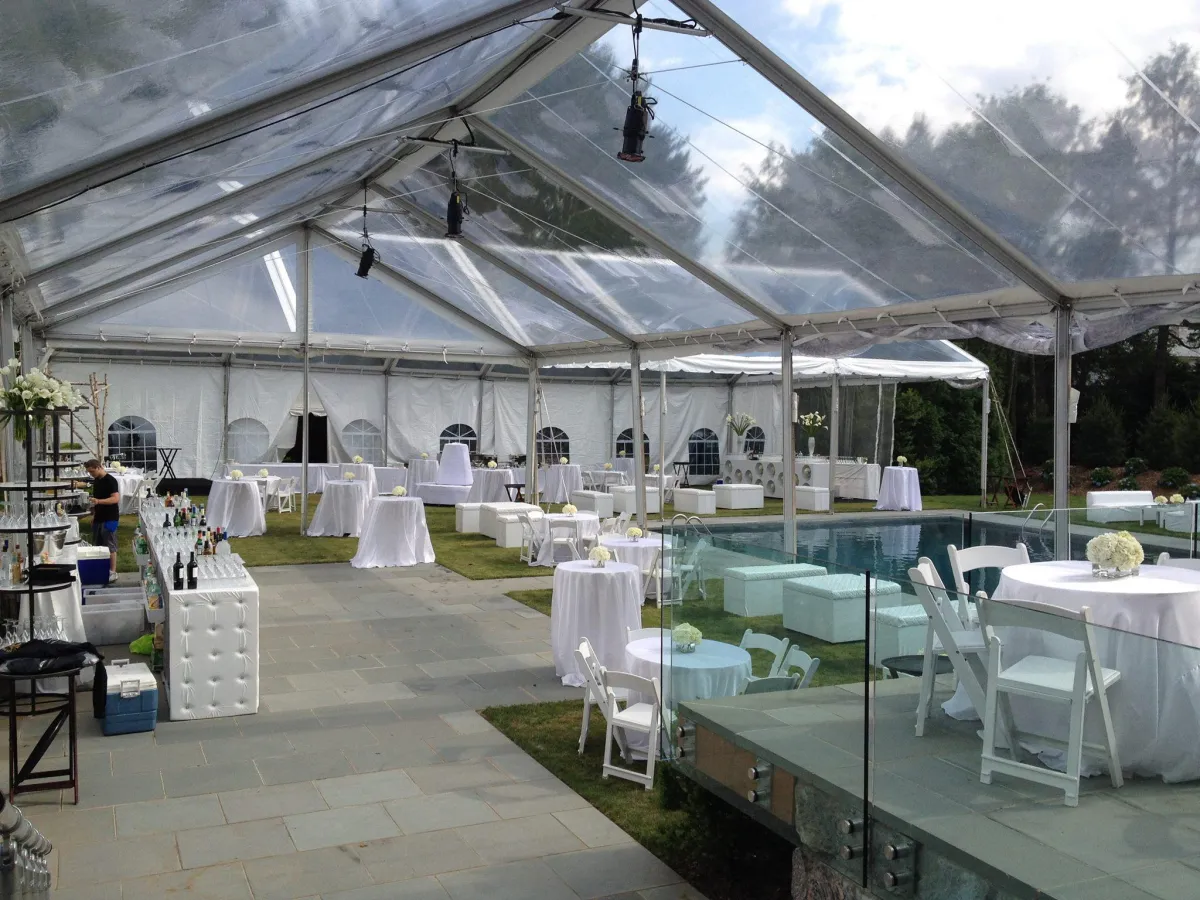
How to Coordinate Flooring and Terrain for Garden Parties in Nassau
Garden parties in Nassau County have a charm that’s hard to recreate indoors. The greenery, the fresh air, and the softness of the surroundings give gatherings a natural elegance. But the same outdoor settings that make these events beautiful also introduce logistical challenges—especially when it comes to flooring and terrain.
Grass shifts under weight. Patios heat up. Gardens are rarely perfectly level. And once you bring in seating, catering equipment, lounge setups, and guest movement, the ground becomes a critical part of how comfortable and polished the event feels.
The key is to work with the outdoor environment—not against it.
Why Ground Conditions Influence Comfort and Style
Guests notice flooring far more than they realize. If heels sink into grass, people stop walking freely. If tables wobble, the atmosphere loses ease. If the ground is uneven, layout becomes disjointed. Smooth, stable footing keeps the party flowing, and lighting, florals, and décor can do their job without competing with physical discomfort.
Flooring isn’t just a practical choice—it directly shapes the experience of the event.
Understanding the Space Before You Choose Flooring
Before selecting any flooring materials or designs, take a close look at your outdoor environment.
Grade and Slope
Even a slight slope can affect table placement or dance floor stability. A good flooring plan acknowledges where leveling or support is needed rather than forcing a layout that fights gravity.
Ground Type
Grass, stone, gravel, and soil all behave differently under weight. Grass can compress. Gravel shifts. Patios radiate heat. Knowing the surface helps determine what flooring feels natural and comfortable.
Drainage
If the ground retains moisture, flooring needs airflow. If it drains well, you have more flexibility. This matters especially for events after rainfall or near coastal marsh.
The point is not to control the land—it’s to understand it so your flooring makes sense to the site.
Flooring Options That Work Well in Gardens
These are commonly used flooring solutions for garden parties, each suited to different aesthetics and conditions.
Natural Grass with Ground Protection Pads
This keeps the garden aesthetic while adding stability underfoot. Best for lighter-use gatherings or daytime socials where movement is spread out and relaxed.
Wooden or Laminate Event Flooring
Creates a level, cohesive foundation. Works well when the party includes dining tables, lounge seating, dancing, or catering equipment. It feels structured without losing the outdoor atmosphere.
Turf Flooring Over Subfloor
Perfect for spaces where the grass isn’t full or even. It maintains the look of lawn while giving a smoother, more polished walking surface. Great for transforming patchy garden areas into cohesive entertaining zones.
Dance Floors and Feature Areas
These anchor the room. Even when the rest of the party is on grass, a solid dance floor or statement area gives the event a center of gravity—and a natural gathering point.
Coordinating Layout, Flow, and Terrain
Garden parties aren’t static. Guests move through the space. The flooring and layout should support that movement.
Here are considerations that help tie everything together:
Pathways between tent, bar, lounge, and seating should feel natural and intuitive.
If there are multiple lawn sections, a visual “connection” prevents the party from feeling segmented.
If the event transitions from day to night, lighting and flooring should complement each other—people need to see how to move comfortably.
Think of the party as a conversation between spaces, not a collection of furniture zones.
A Step-by-Step Approach to Planning Garden Party Flooring
Use this process to guide planning:
Walk the property at the same time of day the event will happen. Notice light, shade, and ground feel.
Mark the natural “centers” of the space—where guests will gather.
Identify any uneven ground or areas that may need leveling or additional support.
Choose flooring based on movement patterns—not just aesthetics.
Confirm delivery access so flooring installation is efficient and doesn’t disturb the landscaping.
This keeps the layout strategic instead of improvisational.
Scenario Example: A Backyard Garden Wedding in Nassau
Picture a late-spring garden wedding in a residential backyard. The ceremony is under a large maple tree. Cocktail hour happens near the garden beds. The reception tent sits on the lawn.
Wooden flooring under the dining tables ensures stability for place settings and comfortable seating. A turf overlay connects the tent to the cocktail space so guests move freely without feeling terrain changes. A small, raised dance floor becomes a warm gathering point as evening lights take over.
The environment isn’t “covered up”—it’s supported.
FAQs
How do I prevent chairs and tables from sinking into the lawn?
Use stabilized flooring or subfloor support panels in dining and high-use zones. It keeps everything level and visually polished.Do I need flooring under the entire tent?
Not always. Dining, bar, stage, and dance zones benefit most. Transitional walkways may only need turf or ground protection.Can flooring damage the grass?
If installed correctly with breathable sublayers and removed promptly, the lawn typically recovers quickly.Should flooring match décor?
It should complement it. Flooring should support the aesthetic, not dominate it.
Conclusion
Garden parties in Nassau are at their best when the natural landscape isn’t hidden—it’s elevated. Thoughtful flooring and terrain planning allows the environment to shine while keeping guests comfortable and the event cohesive. When the ground supports the experience, the rest of the design falls into place.
